
Timeless style isn’t about playing it safe or avoiding fun—it’s about making choices that stay flattering across seasons and life stages. When an outfit quietly “ages” the wearer, it usually isn’t because the person is doing anything wrong; it’s because one or two small elements are working against the overall line.
Most style missteps fall into three buckets: proportion (fit and shape), harmony (color and contrast), and finish (fabric, condition, and details). A helpful reset rule: when something feels off, change only one variable first—hem, shoe, neckline, or layer length—before rebuilding the entire look.
Also, mirrors can lie. A quick full-body photo (front and side) reveals proportion issues instantly: dragging hems, boxy layers, or contrast blocks that cut the body in an unflattering spot.
Proportion is the fastest way an outfit can look either modern and intentional—or stuck in a “same formula forever” rut. The good news: proportion fixes are usually simple.
| Style trap | Why it dates an outfit | Fast fix | Easy upgrade |
|---|---|---|---|
| Pants pooling or dragging | Breaks the leg line and looks unintentional | Hem to skim the shoe | Choose a shoe with a slightly higher sole or a sleeker toe |
| Long tops over long tops | Creates a boxy, heavy midsection | Front tuck or swap to a shorter layer | Add a structured outer layer with a defined shoulder |
| Necklines that fight the face | Can flatten features or emphasize shadows | Try a more open neckline (scoop, V, square) | Add a simple necklace to create a vertical line |
| All volume, no anchor | Reads sloppy instead of relaxed | Balance one oversized piece with one fitted piece | Use a belt, cuff sleeves, or add a sharper bag |
| Wrong shoe for the hem | Cuts the leg and changes the outfit’s tone | Match hem to shoe height/shape | Use a pointed-toe flat or low-profile sneaker for a longer line |
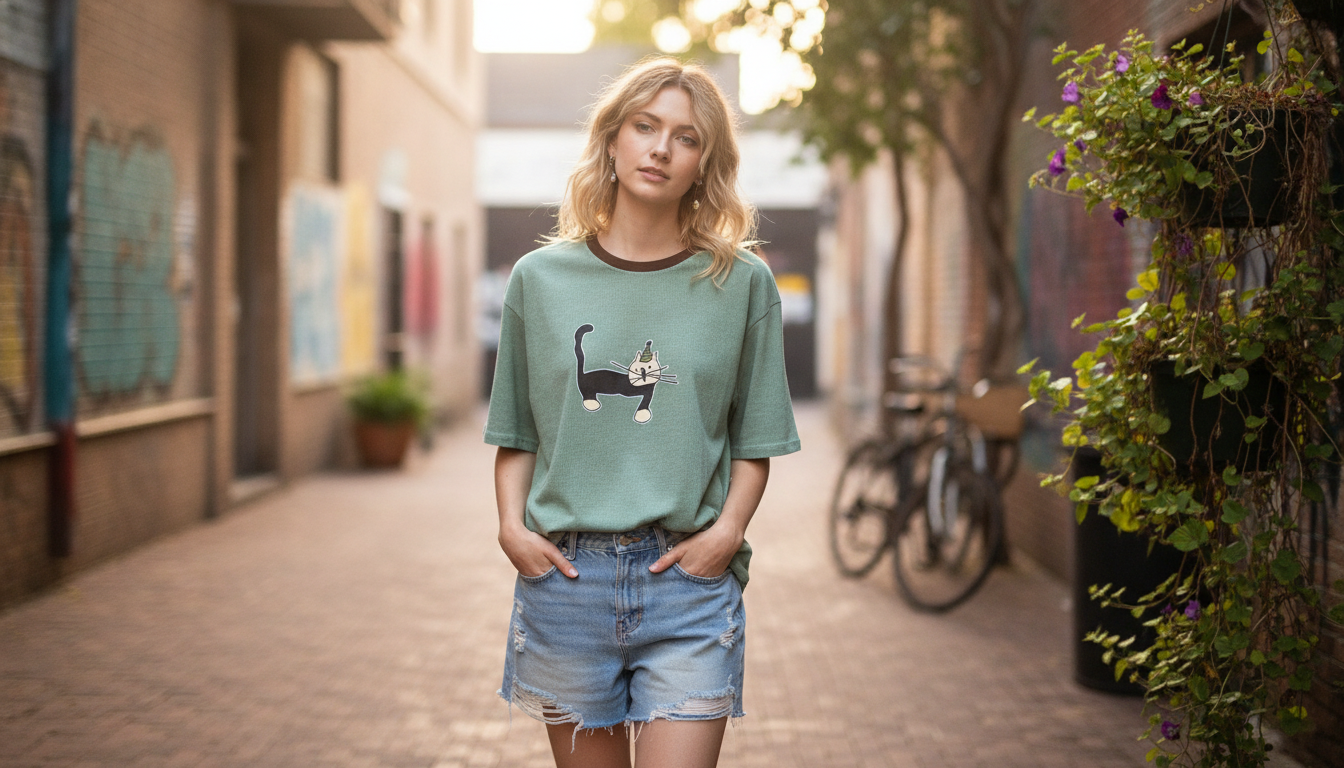
If you love cozy layers, pair a roomy top with a cleaner bottom line. For example, an oversized sweatshirt can look current when the hem and sleeves are slightly controlled (a front tuck, a cuff, or a shorter layer underneath). A piece like the Women’s Oversized Crew Neck Sweatshirt works best when it’s balanced with straight-leg pants, leggings with a structured jacket, or a skirt with a defined waistband.
Color is often the “silent culprit” behind outfits that feel tired—especially near the face, where it can either brighten the complexion or pull attention toward shadows.
For deeper inspiration on how color, silhouette, and culture move through time, the Met Costume Institute is a useful reference point for what truly lasts versus what cycles quickly.
For a practical perspective on construction and garment quality, resources from institutions like the Fashion Institute of Technology (FIT) can help train your eye for fabric, fit, and finish.
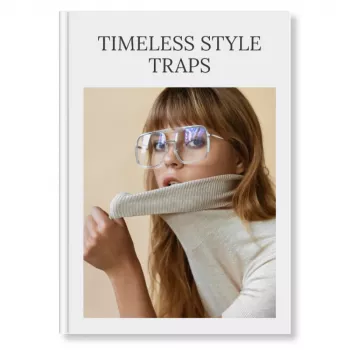
If you want a repeatable checklist you can use while getting dressed, the Timeless Style Traps digital download is designed as a practical reset. It focuses on the universal missteps—proportion, color/contrast, fabric/finish—and simple outfit formulas that help your wardrobe look intentional across changing trends and life stages.
The biggest repeat offenders are proportion problems (dragging hems, boxy layers, poor fit), flat or muddy color near the face, and low-finish details like pilling, wrinkles, and overly matched accessories. Fixing just one of these usually makes an outfit look instantly fresher.
Hem pants to the right shoe height, steam or press pieces that collapse, depill knits, and adjust your tuck/cuffs so the silhouette looks intentional. Swapping to a cleaner shoe shape or adding one structured layer can also elevate basics fast.
Yes—focus on timeless principles: good fit, balanced volume, intentional focal points near the face, harmonious color, and a clean finish. Trends can be optional accents rather than the foundation of your wardrobe.







Leave a comment