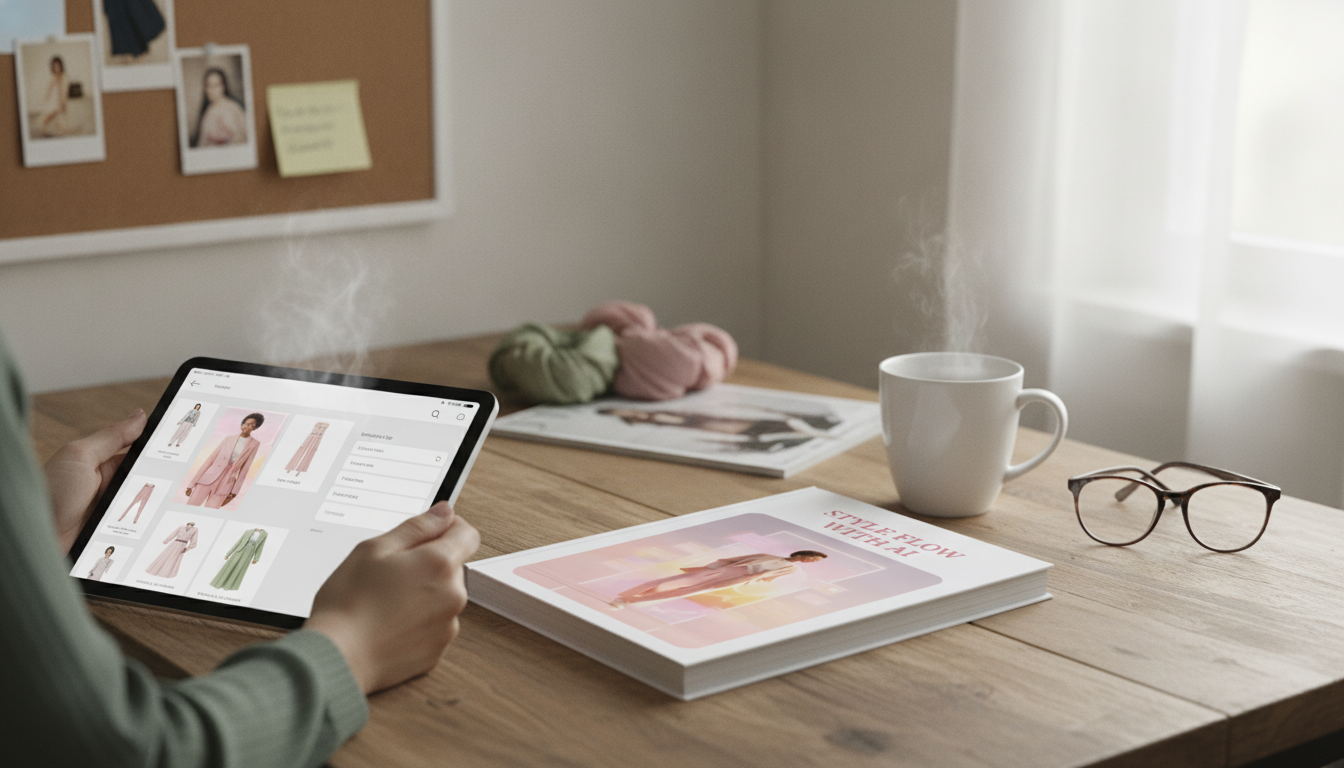
A consistent personal style gets easier when it’s built on a repeatable system instead of a daily guessing game. Style Flow is a practical, AI-assisted workflow that turns real wardrobe basics, lifestyle needs, and aesthetic preferences into ready-to-wear outfit combinations—without flattening your individuality. The goal isn’t to dress “like an algorithm,” but to move from scattered pieces to dependable outfit formulas for work, weekends, events, and travel.
Style Flow treats getting dressed as a simple pipeline: inputs, decisions, and outputs. Your inputs are what you already own (and actually wear) plus your lifestyle realities—weather, schedule, comfort needs, and footwear rules. Your decisions are the design levers that make outfits look intentional: silhouette, color contrast, fabric texture, and proportion. The outputs are what matters day to day: outfits you’ll repeat with confidence, plus a clear list of what’s missing (so shopping stops being random).
AI is most useful here as a pattern-finder. It can quickly suggest combinations you wouldn’t reach under time pressure, offer alternatives when something feels “off,” and help you generate variations from the same hero piece. Taste stays human: you decide what feels like you, what fits your body, and what works in your life.
When the flow is set up, decision fatigue drops. Instead of trying on five outfits that almost work, you rely on a smaller set of proven formulas (errands, office, dinner, active days, travel) and make small swaps—shoe, layer, bag—based on the situation.
| Stage | What to Gather | What You Produce | Typical Time |
|---|---|---|---|
| Closet Snapshot | 10–20 most-worn items + 10 “never wear” items | Keep/alter/donate notes | 20–30 min |
| Style Direction | 3 reference vibes + comfort rules | 2–3 style pillars + boundaries | 15–25 min |
| Outfit Generation | Hero piece + 3–5 supporting items | 8–15 outfit options | 20–40 min |
| Refinement | Fit notes + proportion checks | 3–6 “finalists” per hero piece | 15–30 min |
| Formula Library | Finalists + occasion tags | Reusable outfit templates | 10–20 min |
| Gap List | What’s missing to finish formulas | Focused shopping priorities | 10–15 min |
Use AI with practical guardrails. Keep privacy in mind by sharing only what’s necessary—clothing descriptions, color preferences, comfort boundaries—rather than sensitive personal details. Frameworks like the NIST AI Risk Management Framework (AI RMF 1.0) emphasize managing risk through clear context and careful use; that mindset applies well to style tools, too.
Also remember: suggestions aren’t fittings. Validate every idea with comfort, mobility, and your real proportions. For a more sustainable approach, prioritize re-wearing, repair, and intentional purchases aligned to your gap list (the UN Alliance for Sustainable Fashion glossary is a helpful reference for common terms and practices). To keep outfits feeling personal, hold onto a signature element—your preferred silhouette, a repeated color, or a go-to accessory—so the final look reads like you, not a template.
Versatile pieces make the workflow faster because they support multiple formulas. A one-piece base is an instant outfit: add a layer and change shoes to shift the mood. The Women’s Long Sleeve One-Piece Yoga Jumpsuit is a good example of a hero piece that can move from athleisure to street-ready with a jacket and clean sneakers.
Soft basics can also skew polished with the right pairings. The Women’s Oversized Crew Neck Sweatshirt works as a relaxed top layer, then looks more intentional with structured bottoms, minimal jewelry, and a sleeker shoe.
For “soft contrast” outfits, a delicate top can anchor the look while the rest stays practical. The Fairycore Floral Lace Camisole Top with Bowknot and Slit Hem pairs easily with denim, tailored pants, or a cardigan—ideal for building multiple variations from one hero item.
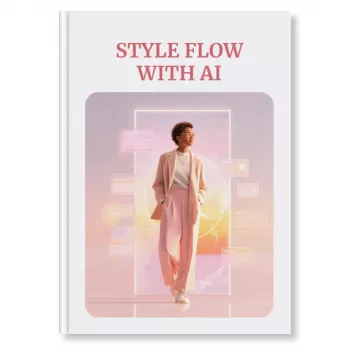
For the complete system—workflow steps, wardrobe organization, and outfit-building structure—use the Style Flow with AI digital guide to turn those wins into repeatable formulas you can rely on.
Yes—smaller wardrobes often see faster results because remixing is the main advantage. The workflow helps you reuse hero pieces in multiple ways and identify only the most strategic gaps.
It’s designed to start with personal boundaries like fit preferences, coverage, fabric sensitivity, and footwear rules. That way, outfit ideas are filtered through real-life comfort and proportion needs before you save formulas.
Pick one hero piece, generate a range of outfit variations, refine down to a few dependable looks, and save them as templates for your most common occasions. Repeating those formulas is what creates momentum.










Leave a comment